Dog Ultrasound: How Imaging Helps Diagnose Health Issues

Dog Ultrasound: How Imaging Helps Diagnose Health Issues
If you have ever wondered how veterinarians uncover hidden health issues in dogs without invasive surgery, you are not alone. Many pet owners are curious about the role advanced diagnostics play in modern veterinary medicine. At Garbizo Animal Clinic in Coconut Creek, we use dog ultrasound technology to gain a clear, non-invasive look inside your pet’s body. This detailed imaging tool helps us diagnose a wide range of conditions, from abdominal pain to heart problems, ensuring your dog receives timely and tailored care. In this guide, we will explain when a dog ultrasound might be recommended, what the procedure involves, and how it benefits your pet’s overall health. Whether you are from Coconut Creek or a surrounding community, learning about dog ultrasound can help you make informed decisions for your pet’s wellbeing. If you are interested in learning more about our veterinary ultrasound services, visit our vet ultrasound page for details on how we support your dog’s health at Garbizo Animal Clinic.
Recognizing When Your Dog Might Need an Ultrasound
Understanding when a dog ultrasound is necessary can provide peace of mind for pet owners. Dogs cannot always communicate their discomfort clearly, so it is important to watch for subtle signs that may indicate an internal issue. Symptoms that commonly lead veterinarians to recommend ultrasound imaging include unexplained weight loss, vomiting that lasts more than a day or two, changes in appetite or drinking habits, persistent diarrhea, or visible abdominal swelling. Other red flags are lethargy, trouble urinating, difficulty breathing, or sudden collapse. For example, if your dog suddenly stops eating and starts vomiting, or you notice blood in their urine, these could be signs of underlying issues that require a closer look.
Veterinarians also suggest dog ultrasound for monitoring known conditions, such as chronic kidney disease or heart disease, and to evaluate abnormal blood test results. Sometimes, an ultrasound is used to investigate lumps or masses that are felt during a physical exam. At Garbizo Animal Clinic, our team of veterinarians relies on ultrasound as a safe way to visualize your dog’s organs, helping us pinpoint the cause of concerning symptoms without putting your pet through unnecessary procedures.
What Is a Dog Ultrasound and How Does It Work?
A dog ultrasound is a diagnostic imaging tool that uses sound waves to create real-time pictures of your dog’s internal organs and tissues. Unlike x-rays, which use radiation to capture images of bones and dense structures, ultrasound is particularly effective for viewing soft tissues such as the liver, kidneys, bladder, intestines, and even the heart. The process is entirely non-invasive and does not cause pain, making it an ideal option for many pets.
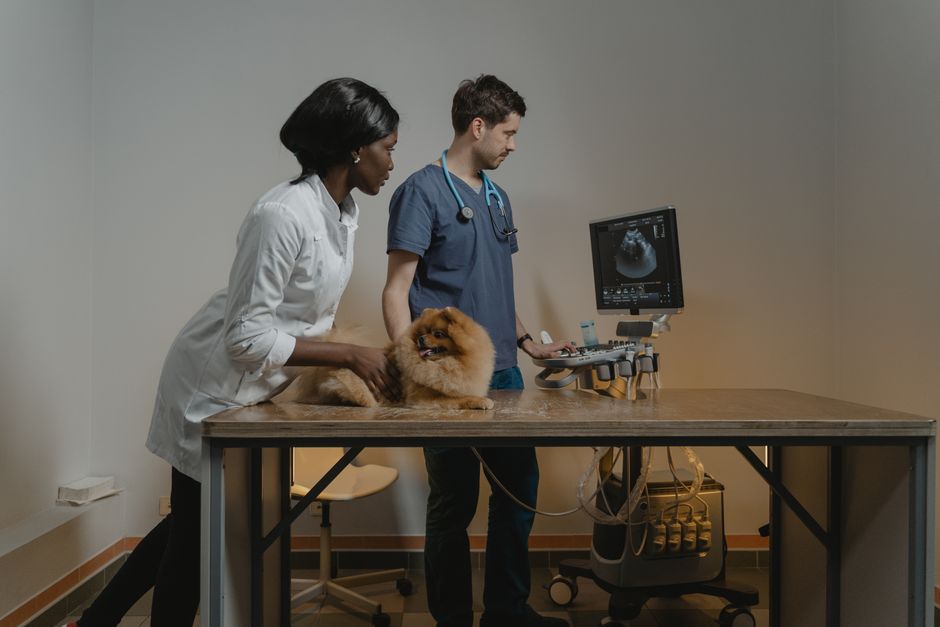
During the procedure, your dog lays comfortably on a padded table while a trained veterinary professional gently moves a handheld probe across the skin, usually after the fur is shaved in the area being examined. This probe emits high-frequency sound waves that bounce off internal organs, creating live images on a monitor. Depending on your dog’s comfort level and the area being scanned, light sedation may sometimes be used to help your pet relax.
Dog ultrasound is versatile enough to assess many different issues, from checking for bladder stones or tumors to confirming pregnancy or assessing organ function. Because the images are generated in real time, our veterinarians can make immediate observations and, if necessary, take small samples using a fine needle, all while monitoring your dog’s vital signs closely.
Common Health Problems Diagnosed With Dog Ultrasound
Ultrasound technology is a powerful diagnostic tool for uncovering a variety of health problems in dogs. One of its most common uses is to investigate abdominal issues, such as vomiting, diarrhea, or unexplained weight loss. With ultrasound, our veterinarians can identify causes like gastrointestinal blockages, pancreatitis, liver disease, and kidney problems. The images can reveal the presence of tumors, cysts, or abnormal tissue growth that may not be detectable through blood tests or x-rays alone.
Heart conditions are another area where dog ultrasound, specifically echocardiography, is invaluable. When a dog presents with coughing, exercise intolerance, or fainting, an ultrasound allows us to evaluate the heart’s chambers, valves, and blood flow. This helps us diagnose heart disease early and develop an appropriate treatment plan.
Ultrasound also plays a key role in diagnosing bladder stones, urinary tract infections, and reproductive issues. For example, if your dog is straining to urinate or has frequent accidents in the house, an ultrasound can quickly uncover stones or other urinary issues. Pregnant dogs benefit from ultrasound, too, as it enables us to monitor fetal development and detect complications before they become emergencies.
For cases where laboratory tests reveal abnormal liver or kidney values, ultrasound gives our team a closer look at organ structure. This can help us identify chronic conditions, infections, or congenital abnormalities affecting your dog’s health. Learn more about our pet diagnostic lab capabilities that complement our imaging services and provide a comprehensive picture of your dog’s health at Garbizo Animal Clinic.
The Dog Ultrasound Procedure: What to Expect
Many pet owners feel anxious before their dog’s ultrasound appointment, but the process is designed to be as gentle and stress-free as possible. When you arrive at Garbizo Animal Clinic, our veterinary team will greet you and your dog, review your concerns, and explain each step of the procedure. In most cases, you will be asked to withhold food for several hours before the ultrasound to ensure clear images, especially if the digestive tract or bladder is being examined.
Your dog will be positioned comfortably on a padded exam table. To improve image quality, the fur in the area of interest may be shaved and a special gel applied to the skin. The veterinary professional will then move the ultrasound probe over the area, capturing live images on the monitor. Most dogs tolerate the procedure well, and it rarely takes more than 30 to 60 minutes. If your dog is particularly anxious or if a biopsy is needed, a mild sedative may be used to help your pet remain calm and still.
After the imaging is complete, our veterinarians will discuss the findings with you. In some cases, additional tests, such as bloodwork or digital radiographs, may be recommended to confirm a diagnosis or plan the best course of treatment. You can learn more about our digital radiology services and how they work alongside ultrasound for a thorough evaluation.
How Dog Ultrasound Guides Treatment and Care
Having accurate, real-time information about your dog’s internal organs allows our veterinarians to create customized treatment plans. For instance, if a mass is discovered, ultrasound-guided sampling can determine whether it is benign or malignant, informing whether surgery or medical management is needed. In cases of heart disease, ongoing ultrasound monitoring helps us adjust medications as your dog’s condition changes, improving long-term outcomes.
Ultrasound also reduces the need for exploratory surgery, which can be invasive and stressful for pets. With a clear diagnosis, your dog can often begin the right treatment sooner, leading to faster recovery and better quality of life. In chronic conditions like kidney or liver disease, ultrasound helps track disease progression and response to therapy, giving you and our veterinary professionals the information needed to make proactive decisions.
The benefits of dog ultrasound are not limited to treatment; the technology also plays a role in preventive care. Early detection of subtle changes in organ size, structure, or function means that many health issues can be managed before they become severe. This proactive approach is part of our commitment to personalized, lifelong care at Garbizo Animal Clinic.
What Can Pet Owners Do at Home?
While ultrasound imaging is a specialized procedure that requires veterinary expertise, pet owners play a vital role in their dog’s health journey. Observing your dog’s daily habits, such as appetite, water intake, activity level, and bathroom routines, can help you recognize when something is off. Early intervention is always best; if you notice unusual symptoms such as persistent vomiting, changes in urination, or unexplained weight loss, do not wait to reach out for help.
You can also support your dog’s health by keeping up with regular wellness exams, providing a balanced diet, and following your veterinarian’s recommendations for parasite prevention and vaccinations. Staying attentive to subtle changes and scheduling routine checkups will help ensure that any health issues are identified and addressed as quickly as possible.
When to Seek Veterinary Care for Your Dog
It is important to know when your dog’s symptoms require immediate veterinary attention. Signs that should prompt a call to Garbizo Animal Clinic include sudden collapse, difficulty breathing, severe abdominal pain, or vomiting that persists more than a day. Additionally, if your dog seems weak, disoriented, or unable to urinate, these can be emergencies needing prompt care.
Even less urgent symptoms, such as mild appetite changes or intermittent vomiting, should not be ignored, especially if they last more than a couple of days or occur alongside other warning signs. Scheduling a prompt appointment allows our veterinarians to use tools like dog ultrasound to uncover the underlying cause and recommend the best treatment plan. Remember, early intervention often leads to better outcomes for your dog.
Dog Ultrasound at Garbizo Animal Clinic: Compassionate, Local Care
Dog ultrasound is an invaluable tool for diagnosing and managing a wide range of health issues in your canine companion. By offering advanced imaging alongside laboratory and digital x-ray services, Garbizo Animal Clinic ensures your dog receives comprehensive, individualized care from a team you can trust. If you notice symptoms that concern you or have questions about your dog’s health, schedule an appointment with our veterinary team in Coconut Creek.
When searching for a veterinarian near me who truly cares about your pet’s wellbeing, look no further than Garbizo Animal Clinic. To discuss your dog’s needs or arrange a dog ultrasound, call us at (954) 974-1136 or visit our vet ultrasound page for more information. We are committed to providing your dog with the highest level of care and ensuring you feel confident and informed every step of the way.