Recognizing Heart Worms Symptoms in Dogs and Cats


Recognizing Heart Worms Symptoms in Dogs and Cats
Worried that your dog or cat might be showing signs of heartworm disease? As a devoted pet owner, noticing subtle changes in your pet’s behavior or health can be stressful, especially when you hear about the dangers of heartworm infections in South Florida’s warm climate. At Garbizo Animal Clinic, conveniently located at 4400 West Sample Road Suites 148, Coconut Creek, FL 33073, we understand how important it is to recognize heart worms symptoms early, so your pet can get timely care and enjoy a healthy life. This post will guide you through the most common heart worms symptoms in dogs and cats, explain why heartworm disease occurs, and offer clear steps on when to seek professional help. We’ll also discuss prevention, management, and how our compassionate veterinary team partners with you for ongoing protection, both here in Coconut Creek and in surrounding communities.
If you’re concerned your pet may have been exposed or are seeking more in-depth information about heartworm testing and treatment, our team is always here to help. We encourage you to schedule an appointment for a thorough evaluation and, if needed, access our Heartworm Treatment & Testing services for pets.
Spotting Heart Worms Symptoms in Coconut Creek Pets
Recognizing heart worms symptoms in both dogs and cats requires a keen eye, as early signs can be subtle and often mistaken for other health problems. Heartworm disease is a serious, sometimes life-threatening condition caused by parasitic worms that live in the heart, lungs, and associated blood vessels. The symptoms your pet may display often depend on the severity of the infection, the species, and overall health.
Typical Heart Worms Symptoms in Dogs
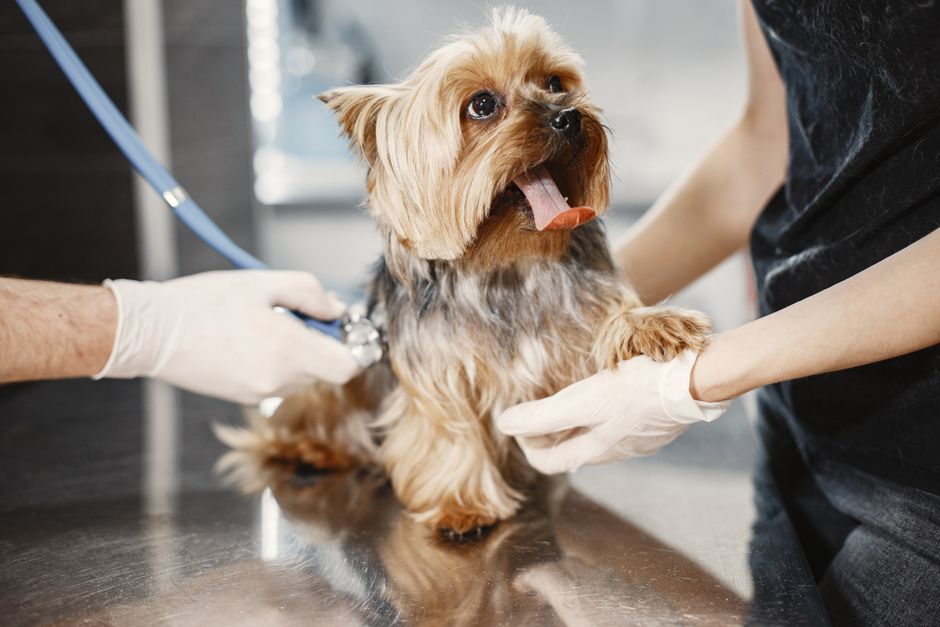
In dogs, early heartworm infection frequently produces no visible signs. As the disease progresses, you might notice your dog developing a mild persistent cough, reluctance to exercise, or tiring quickly after moderate activity. Other symptoms can include decreased appetite, gradual weight loss, and swollen abdomen due to fluid buildup. Dogs with advanced heartworm disease may experience labored breathing, irregular heartbeats, or sudden collapse in severe cases. It’s easy to confuse some of these signs with less serious issues, but even subtle changes deserve attention.
Heart Worms Symptoms in Cats
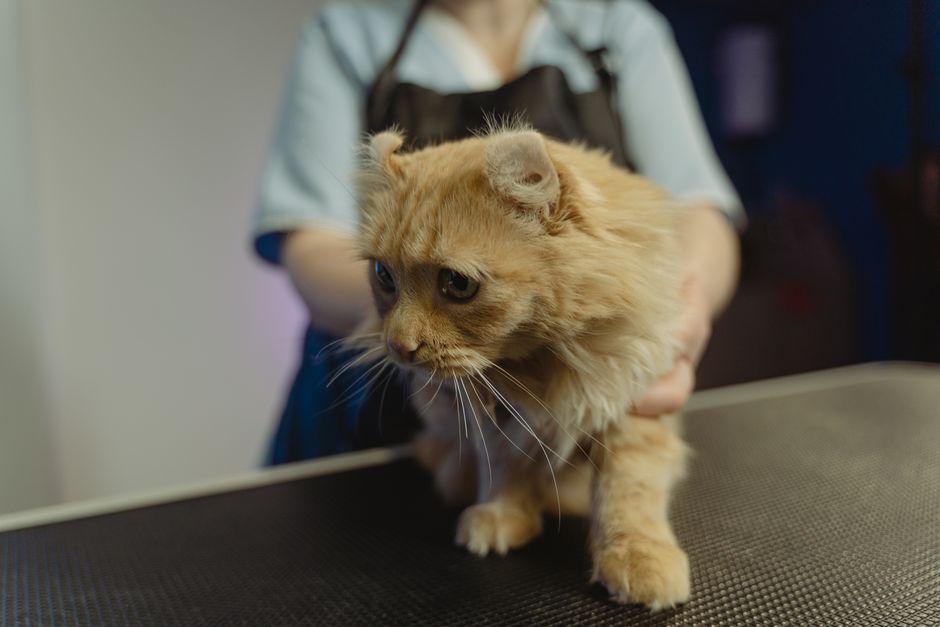
Heartworm disease in cats can be even more difficult to detect. Unlike dogs, cats often present with non-specific symptoms that resemble other illnesses. Common signs include coughing, asthma-like attacks, and intermittent vomiting. Some cats may show a lack of appetite, weight loss, or sudden difficulty breathing. In rare cases, sudden collapse or even sudden death can occur with no prior warning. Because cats are not a natural host for heartworms, they may have only a few worms, but the impact can still be severe.
If you notice any of these symptoms or anything unusual about your pet’s behavior or health, it’s important to contact our veterinary team for a prompt evaluation. Early detection can make a significant difference in the outcome.
Understanding Why Heartworm Disease Develops
Heartworm disease is caused by the parasite Dirofilaria immitis, which is transmitted through the bite of an infected mosquito. This is particularly relevant in South Florida, where warm weather and standing water create an ideal environment for mosquitoes year-round. When a mosquito bites an infected animal, it picks up microscopic larvae, which mature and are then passed to a new host during subsequent bites.
Once inside your pet, the larvae travel through the bloodstream, eventually settling in the heart and lungs. There, they mature into adult worms, which can grow up to a foot long. The presence of these worms causes inflammation, damages blood vessels, and impairs the function of the heart and lungs. Dogs serve as the primary host for heartworms, but cats and, rarely, other mammals can also be affected.
Several factors influence your pet’s risk, including time spent outdoors, proximity to mosquito-friendly environments, and whether they are on regular heartworm preventive medication. Even indoor pets are at risk; mosquitoes can easily enter homes, so no pet is entirely safe without preventive measures.
How Heartworm Disease Is Treated and Managed
If your pet is diagnosed with heartworm disease, the approach to treatment depends on their species and the severity of the infection. At Garbizo Animal Clinic, our veterinarians follow the latest guidelines to provide safe, effective care tailored to each patient.
Treatment in Dogs
For dogs, treatment typically involves a series of injections to kill adult heartworms, along with supportive medications to reduce inflammation and prevent complications. The process can take several months and requires strict activity restriction to minimize the risk of complications such as blood clots. In some cases, additional medications are given to kill immature worms and manage side effects. Severe cases may require hospitalization or even surgical intervention.
Treatment in Cats
Unfortunately, there is no approved medication to eliminate adult heartworms in cats. Instead, our approach focuses on supportive care, managing symptoms, and reducing inflammation. Cats may be prescribed medications to help with breathing difficulties, and regular monitoring is essential. In rare situations, surgical removal of worms may be considered, but this is a complex and risky procedure.
Throughout the treatment process, our veterinary team will work closely with you to monitor your pet’s progress and adjust the care plan as needed. We also provide guidance on how to care for your pet during recovery, ensuring they have the best chance for a full and healthy life.
If you would like more detailed information about diagnostic processes or ongoing care, our Heartworm Treatment & Testing services for pets page offers a comprehensive overview.
Preventing Heartworm Disease and Supporting Your Pet at Home
Prevention is truly the best defense against heartworm disease. The climate in Coconut Creek increases the risk for both dogs and cats, as local mosquitoes are active much of the year. Our veterinarians recommend year-round heartworm preventives for all pets, regardless of lifestyle or time spent outdoors.
Key steps for prevention include keeping your pet on monthly heartworm prevention medication, which is available as tablets, topical solutions, or injections. These medications not only protect against heartworms but often guard against other parasites as well. Regular annual testing is also critical, as no preventive is 100 percent effective. Even pets who never miss a dose can occasionally become infected, so yearly screening is the best way to catch problems early.
At home, reducing mosquito exposure by keeping pets indoors during peak mosquito hours, using window screens, and eliminating standing water around your property can further lower the risk. However, these steps are not substitutes for medical prevention.
Our veterinarians are happy to design a personalized prevention plan that fits your pet’s unique needs, taking into account their age, health status, and risk factors.
When to Seek Veterinary Care for Heart Worms Symptoms
Knowing when to contact your veterinarian can make all the difference. If you notice your pet coughing persistently, experiencing unexplained fatigue, losing weight, having difficulty breathing, or showing any unusual behaviors, it’s important to schedule an appointment promptly. In cats, symptoms can be especially subtle, so even mild coughing, vomiting, or appetite changes warrant a checkup.
Immediate veterinary attention is necessary if your pet collapses, has trouble standing, or displays severe breathing difficulties. Our veterinary professionals at Garbizo Animal Clinic are well-equipped to perform diagnostic testing and guide you through the next steps, whether that means starting treatment or updating your pet’s preventive plan.
Early intervention and regular preventive care are the most effective ways to keep your pet safe from heartworm disease. We encourage you to reach out to our experienced team if you have any concerns or questions about heart worms symptoms or your pet’s risk level.
Protect Your Pet: Schedule Heartworm Testing and Prevention in Coconut Creek
Heartworm disease can be devastating, but with the right knowledge and proactive veterinary care, it is almost entirely preventable. By recognizing heart worms symptoms early, seeking timely diagnostics, and maintaining a consistent prevention routine, you give your pet the best possible chance for a long, healthy life. Our veterinarians at Garbizo Animal Clinic are committed to supporting you every step of the way, from education and testing to treatment and follow-up care.
If you’re searching for a trusted "vet near me" for heartworm testing, prevention, or treatment in Coconut Creek and surrounding communities, look no further than our dedicated veterinary team. We invite you to contact us to schedule a heartworm screening or discuss your pet’s preventive needs. You can reach Garbizo Animal Clinic at (954) 974-1136 or visit us at our Coconut Creek location.
For more details about our approach to heartworm prevention, diagnosis, and treatment, please explore our Heartworm Treatment & Testing services for pets.
Your pet’s health is our top priority. Don’t wait until symptoms appear—partner with Garbizo Animal Clinic for comprehensive heartworm protection and peace of mind.