Spring Allergies in Pets: Signs, Symptoms, and Treatment


Spring Allergies in Pets: Signs, Symptoms, and Treatment
As spring arrives in Coconut Creek, many pet owners notice their dogs and cats scratching, licking, or sneezing more than usual. While longer days and warmer weather can bring more outdoor adventures, they can also trigger seasonal allergies in our furry family members. If your pet seems uncomfortable or is showing signs of skin or respiratory issues, you are not alone; spring allergies are a common concern for pets in our region. At Garbizo Animal Clinic, located at 4400 West Sample Road Suites 148, Coconut Creek, FL 33073, our veterinary team is dedicated to helping your pet enjoy a healthy, happy season. In this guide, we will explore how to recognize the signs of spring allergies in pets, understand what causes them, review effective treatment options, and discover how preventive care can keep your pet comfortable year-round. If you are unsure whether your pet’s symptoms are due to allergies or need guidance on next steps, our team is here to support you with personalized care tailored to your pet’s unique needs.
Recognizing Spring Allergy Symptoms in Dogs and Cats
Identifying allergy symptoms early can make a significant difference in your pet’s comfort and overall health. Spring allergies in pets can present in a variety of ways, often mimicking other conditions. Key symptoms to watch for include frequent scratching, licking, or chewing at the skin, especially around the paws, ears, belly, and flanks. You might also notice your pet shaking their head, developing red or inflamed skin, or experiencing hair loss in affected areas. In some cases, pets develop hot spots, which are moist, irritated patches of skin that appear suddenly and can worsen quickly.
Respiratory symptoms are also possible, though less common than skin reactions. Sneezing, watery eyes, nasal discharge, and coughing may occur, particularly in cats or certain dog breeds. Additionally, some pets with seasonal allergies might develop chronic ear infections, which can lead to head shaking or ear scratching. If your pet seems more restless, is having trouble settling, or appears generally uncomfortable, allergies could be the culprit.
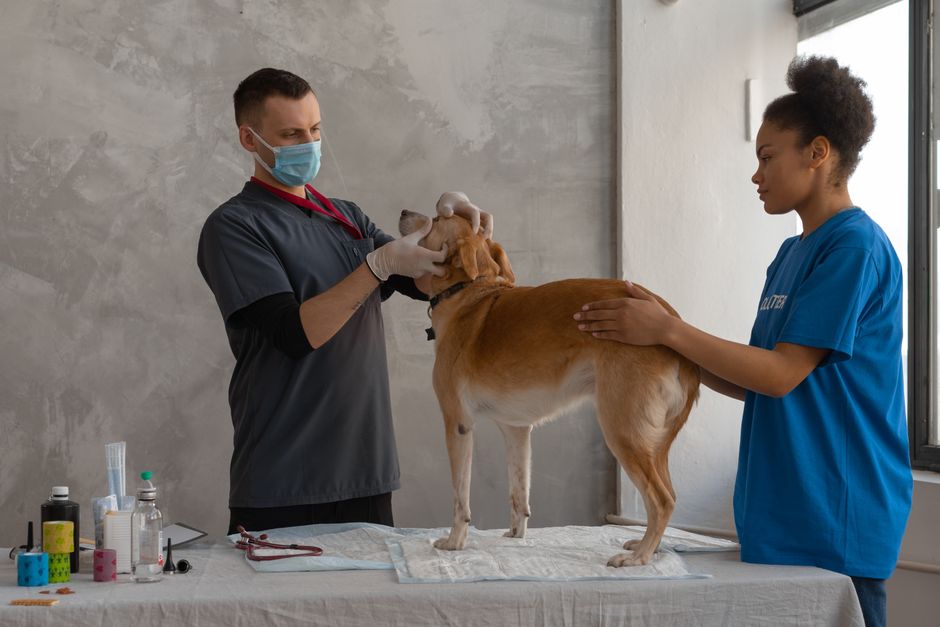
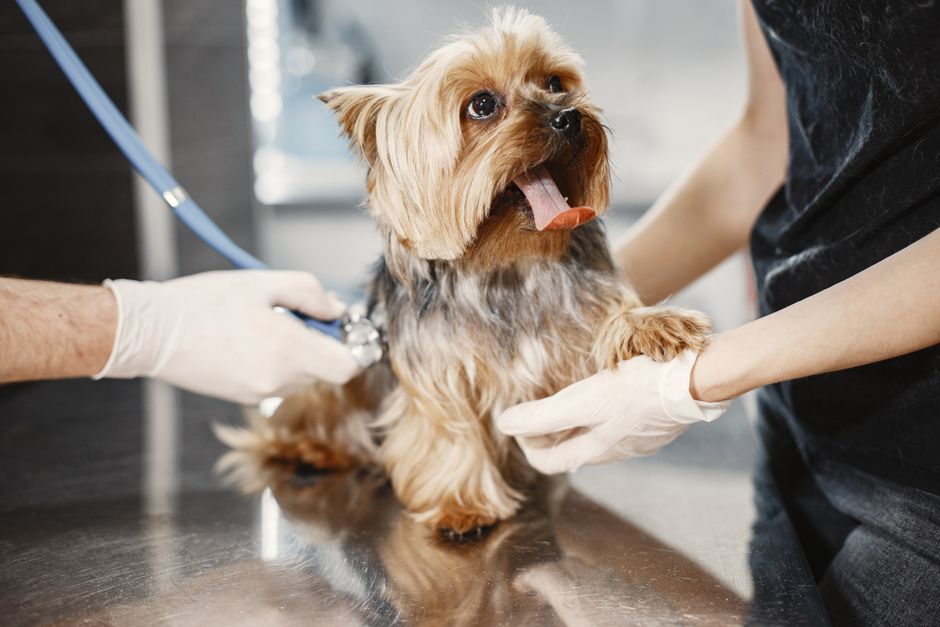
Because these symptoms can overlap with other medical issues, such as infections, parasites, or underlying skin diseases, it is important to seek a veterinary evaluation if you notice changes in your pet’s behavior or appearance. A wellness examination can help determine whether allergies or another condition are affecting your pet.
What Causes Spring Allergies in Pets?
Spring allergies, also known as atopic dermatitis or atopy, are typically triggered by environmental allergens that become more prevalent as the weather warms up. In Coconut Creek and surrounding communities, common culprits include pollen from grasses, trees, and weeds, as well as mold spores and dust mites. As plants bloom and outdoor activity increases, pets are exposed to these allergens through the air and by direct contact with their skin and fur.
Unlike humans, who often show allergy symptoms through sneezing and watery eyes, many pets develop itchy skin as their primary response. The immune system of sensitive dogs and cats reacts to harmless substances like pollen as if they were threats, releasing histamines and other chemicals that cause inflammation and discomfort. Some breeds, such as terriers, retrievers, and Bulldogs, may be more prone to seasonal allergies, but any pet can develop sensitivities over time.
Environmental factors play a role as well. Pets that spend a lot of time outdoors, enjoy rolling in the grass, or live in homes with open windows are more likely to come into contact with airborne allergens. Even indoor cats can be affected if pollen and dust are brought inside on shoes, clothing, or through ventilation systems. Additionally, allergy symptoms can be worse during periods of high pollen counts or after spring rain, when mold growth increases.
Understanding the specific allergens affecting your pet is important for effective management. Our clinic offers allergy testing for pets, which can help pinpoint the triggers and guide a personalized treatment plan.
Treatment Options for Spring Allergies in Pets
Managing spring allergies in pets involves a combination of professional veterinary care and supportive home strategies. At Garbizo Animal Clinic, our approach begins with a thorough health evaluation to rule out other causes of itching or discomfort, such as parasites or infections. If allergies are suspected, we may recommend diagnostic tests, including skin scrapings or laboratory work, to confirm the diagnosis and identify any secondary issues.
Treatment approaches for seasonal allergies often begin with reducing exposure to allergens. Regular bathing with gentle, hypoallergenic shampoos can help remove pollen and other irritants from your pet’s coat and skin. In some cases, your veterinarian may prescribe medicated shampoos to soothe inflamed areas and prevent infection. For pets with moderate to severe symptoms, oral or injectable medications, such as antihistamines, corticosteroids, or newer options like oclacitinib (Apoquel) and lokivetmab (Cytopoint), may be recommended to control itching and inflammation.
Topical treatments, including sprays or creams, can provide relief for localized areas of irritation, while ear medications may be needed if your pet develops an ear infection. If allergy testing identifies specific triggers, immunotherapy—also known as allergy shots or drops—can help desensitize your pet’s immune system over time, reducing the severity of future reactions.
In addition to direct allergy management, our clinic’s pet diagnostic laboratory services are available to monitor your pet’s overall health and detect any complications, such as skin infections or other underlying conditions. We believe every pet deserves a treatment plan tailored to their individual needs, ensuring the best possible outcome for their comfort and wellbeing.
Home Care and Prevention Tips for Pet Allergies
While veterinary treatment is essential for managing allergies, there are practical steps you can take at home to support your pet’s comfort during allergy season. Routine bathing with veterinarian-recommended shampoos can help minimize allergen buildup on your pet’s skin and coat. Wiping your pet’s paws and belly with a damp cloth after outdoor walks is another simple way to reduce exposure to pollen and other irritants.
Regular grooming, including brushing your pet’s fur, helps remove loose hair and allergens that may become trapped in the coat. Keeping your home clean by vacuuming carpets, washing pet bedding frequently, and using air purifiers can also lower indoor allergen levels. If your pet is especially sensitive, try to limit time outdoors during peak pollen hours, which often occur in the early morning or after heavy winds.
For pets prone to ear infections, gently drying the ears after baths or swimming and using veterinarian-recommended ear cleaners can help prevent problems. Maintaining good overall health through balanced nutrition, regular exercise, and routine veterinary check-ups will also support your pet’s immune system, making them less susceptible to severe allergy symptoms.
If you notice your pet’s symptoms worsening despite these efforts, or if they develop additional issues such as open sores, persistent redness, or changes in appetite, it is important to schedule a visit with your veterinarian for further evaluation and care.
When to Seek Veterinary Care for Allergies
Knowing when to seek professional help is crucial for your pet’s health and comfort. While mild itching or occasional sneezing may be managed at home with guidance from your veterinarian, persistent or worsening symptoms should not be ignored. Warning signs that indicate the need for a veterinary visit include constant scratching or licking, development of hot spots or open sores, repeated ear infections, or changes in your pet’s behavior, such as restlessness or irritability.
If your pet develops swelling of the face or muzzle, sudden difficulty breathing, vomiting, or collapse, these may be signs of a severe allergic reaction and require immediate veterinary attention. For most pets, timely intervention can prevent complications and improve quality of life.
Our veterinary professionals at Garbizo Animal Clinic are experienced in diagnosing and managing spring allergies, offering comprehensive services from allergy testing to ongoing management plans. We encourage you to reach out if you have concerns about your pet’s symptoms or are unsure how to proceed. Early intervention can make a world of difference in helping your pet feel their best.
Supporting Your Pet Through Allergy Season in Coconut Creek
Spring allergies can be challenging for both pets and their families, but with the right support and care, your dog or cat can enjoy the season comfortably. At Garbizo Animal Clinic, we are committed to partnering with you to provide expert guidance, personalized treatment, and compassionate support every step of the way. Whether your pet needs a thorough wellness examination, allergy testing, or ongoing management, our team is here to help you navigate allergy season with confidence.
If you are searching for a trusted "veterinarian near me" in Coconut Creek, our clinic welcomes you to schedule an appointment tailored to your pet’s needs. Simply call (954) 974-1136 or visit us at 4400 West Sample Road Suites 148, Coconut Creek, FL 33073. Our veterinary team is dedicated to supporting your pet’s wellbeing today and throughout every season.
This article is intended for informational purposes only and does not replace professional veterinary care. If you have concerns about your pet’s health, please consult your veterinarian.