What Pet Owners Should Know About FHO Surgery


What Pet Owners Should Know About FHO Surgery
Is your dog or cat struggling with hip pain or limited mobility? At Garbizo Animal Clinic in Coconut Creek, we know how concerning it can be to see your pet uncomfortable, especially when everyday activities like walking, jumping, or playing become challenging. One of the advanced solutions we offer for certain hip problems is FHO surgery, also known as femoral head ostectomy. This procedure can be life-changing for pets with chronic hip issues, helping to restore comfort and function when other treatments are not enough.
In this blog, we will guide you through the essentials of FHO surgery, including signs your pet may need this procedure, what causes hip problems in dogs and cats, how the surgery is performed, what recovery involves, and how our team tailors care for every patient. We will also share when it’s time to seek veterinary care and what to expect if your pet is a candidate. If you’re searching for answers about hip surgery for pets or want to understand your options for fho surgery in Coconut Creek, our veterinarians are here to help you make informed, compassionate choices for your pet’s wellbeing.
Recognizing Hip Issues in Pets: When Might FHO Surgery Be Needed?
Caring pet owners often notice subtle changes before more obvious signs of discomfort appear. If your pet is limping, hesitant to jump onto furniture, or seems to tire quickly during walks, these could be early indications of hip pain. Over time, you might observe your pet favoring one leg, struggling to rise after resting, or even showing signs of irritability when touched near the hip area. Some dogs and cats may vocalize, whimper, or avoid certain activities they once enjoyed.
Symptoms suggesting a hip problem that may benefit from FHO surgery include limping or lameness that doesn’t resolve with rest, difficulty climbing stairs, a decrease in physical activity, and visible muscle loss in the affected leg. In some cases, pets will hold the leg off the ground entirely or develop an unusual gait, sometimes called a “bunny hop” in dogs. Cats might stop jumping to their favorite window perch or become less social because of discomfort.
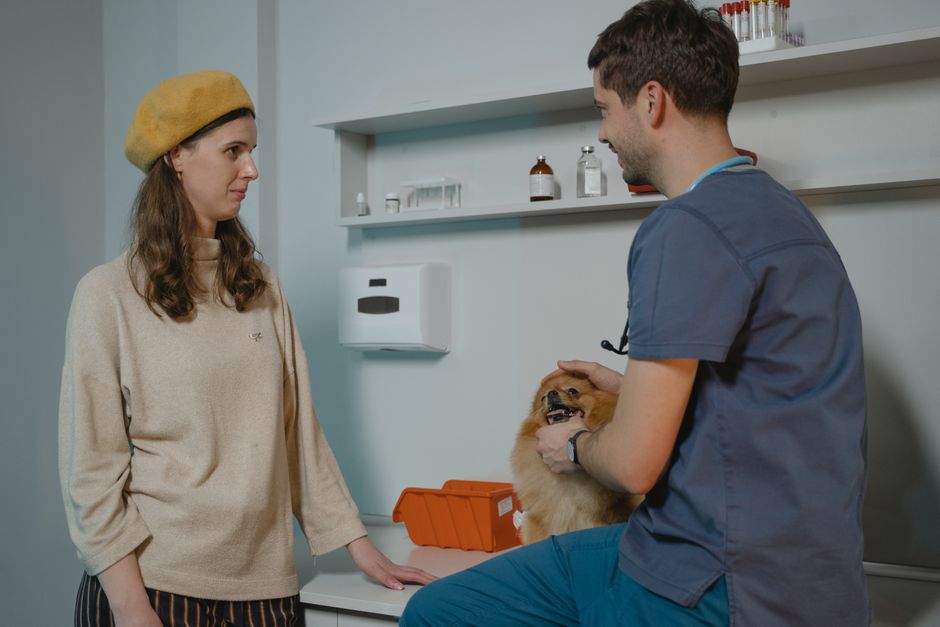
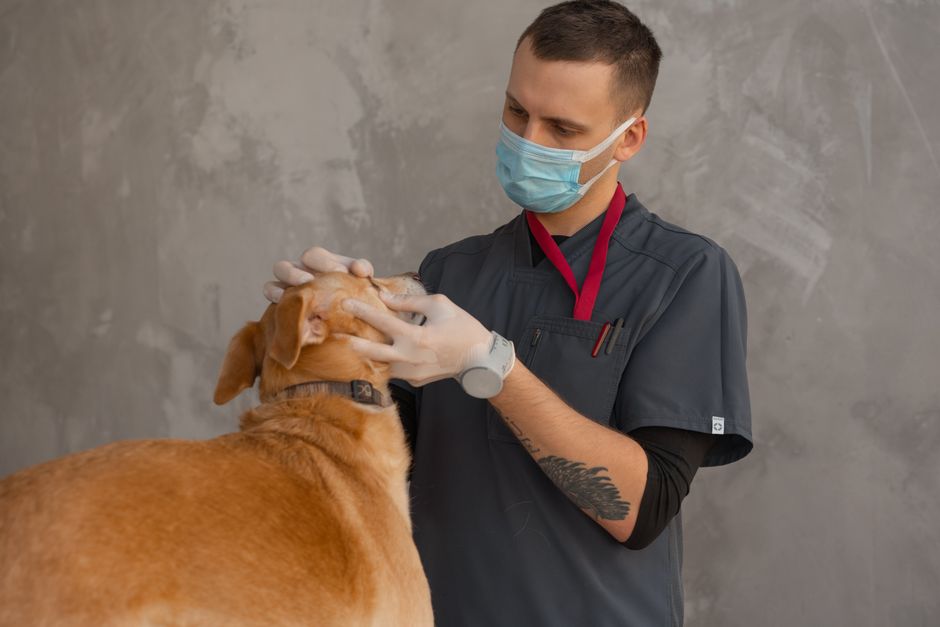
It’s important to remember that these symptoms can have a variety of causes, so a thorough evaluation by a veterinarian is essential before considering surgical options. At Garbizo Animal Clinic, our veterinary team in Coconut Creek will perform a comprehensive examination, which may include digital radiology or other diagnostic imaging, to determine if FHO surgery is the most appropriate path for your pet.
Understanding Why Hip Problems Happen: Common Causes in Dogs and Cats
Hip issues in pets can stem from several underlying conditions, each with its own set of risk factors. One of the most common reasons for chronic hip pain is hip dysplasia, a hereditary condition where the hip joint does not develop properly. This is frequently seen in certain dog breeds but can affect cats as well. The abnormal joint formation leads to instability, arthritis, and eventually pain during movement.
Trauma is another frequent cause; a fall, motor vehicle accident, or other significant injury can result in a hip fracture or dislocation. In some cases, the femoral head (the ball of the hip joint) may be damaged beyond repair, leading to persistent discomfort. Additionally, degenerative joint diseases, such as arthritis, can wear down the cartilage that cushions the hip, causing inflammation and pain over time.
Less commonly, infections, tumors, or previous unsuccessful surgeries can contribute to hip problems that don’t respond to medication, physical therapy, or other conservative treatments. When these issues significantly impact your pet’s quality of life, FHO surgery may be recommended by your veterinarian as a way to relieve pain and restore function.
FHO Surgery Explained: How the Procedure Helps Your Pet
Femoral head ostectomy (FHO) is a surgical procedure designed to remove the damaged “ball” portion of the hip joint, eliminating the source of pain. While this might sound dramatic, dogs and cats are remarkably resilient; after surgery, the surrounding muscles and tissues gradually form a “false joint” that allows for pain-free movement. FHO is most often recommended when hip pain cannot be managed with other therapies or when the joint damage is too severe for reconstruction.
At Garbizo Animal Clinic, our veterinary professionals will tailor the surgical and recovery plan to your pet’s specific needs. The process begins with thorough preoperative assessments, including bloodwork and imaging, to ensure your pet is a good candidate for anesthesia and surgery. During the procedure, our veterinarians carefully remove the femoral head and neck, taking precautions to minimize discomfort and promote optimal healing.
After surgery, pets typically experience an impressive return to normal activity once the initial discomfort subsides. Recovery involves a combination of controlled exercise, pain management, and supportive care. Most pets are encouraged to begin gentle movement within a few days to prevent stiffness and muscle loss. Our clinic’s commitment to individualized care means we will create a rehabilitation plan that supports your pet’s unique personality, age, and activity level.
If you would like more details about what FHO surgery involves and whether your pet might benefit, we invite you to explore our FHO surgery information page as well as our orthopedic surgery services.
What to Expect During Recovery
While every pet heals at their own pace, most dogs and cats show significant improvement within a few weeks after FHO surgery. Early on, you may notice some soreness or reluctance to move, but with encouragement and gentle physical therapy, pets regain strength and confidence. Our veterinary team will provide detailed instructions on pain medication, incision care, and exercises to help your pet rebuild muscle.
Monitoring your pet for signs of infection, swelling, or unusual discharge at the surgical site is crucial. If your pet seems excessively painful, refuses to use the leg after the first week, or shows signs of fever or lethargy, contact our clinic promptly. Follow-up visits are an important part of the process; we will assess healing, adjust recovery plans, and answer any questions you have about your pet’s progress.
Supporting Your Pet at Home: Tips for a Smooth Recovery
Home care plays a vital role in ensuring a successful outcome after FHO surgery. Your pet will need a quiet, comfortable area to rest during the first few days. Limiting vigorous activity is important initially, but short, supervised walks or gentle play sessions are encouraged as your pet regains mobility. Using non-slip rugs or mats can help prevent accidental falls on slippery floors.
Encouragement and positive reinforcement go a long way in motivating your pet to use the operated leg. Some pets need a little extra patience as they adjust, especially if they have been avoiding weight-bearing due to pain before surgery. Feeding a balanced diet and maintaining a healthy weight will also reduce stress on the healing joint.
In Coconut Creek and surrounding communities, the warm climate often encourages year-round activity, so gradual return to walks and playtime is both possible and beneficial. If you have questions about specific exercises or need guidance on safe activities, our veterinarians will be happy to provide recommendations during each follow-up visit.
When to Seek Veterinary Advice: Ensuring the Best Outcome
While many pets enjoy a full return to comfort and mobility after FHO surgery, ongoing communication with your veterinarian is essential. If you notice your pet limping more than expected, experiencing swelling, or showing changes in behavior, it’s important to seek advice promptly. Sudden reluctance to use the leg, persistent pain, or any discharge from the incision site are warning signs that deserve immediate attention.
If your pet has a history of hip issues, or if you are uncertain whether surgery is the right option, a comprehensive wellness examination can help identify the best course of action. Our veterinary team will work closely with you to evaluate all options, discuss the risks and benefits, and ensure you feel confident in your pet’s care plan.
Remember, no online resource can replace a hands-on assessment from a veterinary professional. Every pet’s situation is unique, and timely intervention can make a significant difference in recovery and long-term quality of life.
Your Partner in Pet Health: FHO Surgery at Garbizo Animal Clinic
Seeing your beloved pet struggle with hip pain is never easy, but you don’t have to navigate this journey alone. At Garbizo Animal Clinic, our veterinarians are dedicated to providing compassionate, individualized care for every patient. From the initial exam to postoperative support, we will walk with you and your pet every step of the way, making sure all your questions are answered and your concerns addressed.
If you are considering fho surgery or want to learn more about how this procedure could benefit your dog or cat, we encourage you to contact us to schedule an appointment. Our team welcomes new and returning patients from Coconut Creek and surrounding communities, and we are always here to support your pet’s wellbeing. When searching for a vet near me who truly understands your pet’s needs, trust the experience and dedication of Garbizo Animal Clinic.
To get started, reach out to our veterinary team at (954) 974-1136 or visit us at 4400 West Sample Road Suites 148, Coconut Creek, FL 33073 for a personalized consultation. You can also explore more about FHO surgery and our orthopedic surgery options on our website. Your pet’s comfort, mobility, and happiness are our top priorities, and we look forward to partnering with you for their lifelong health.
Medical Disclaimer: This blog is intended for informational purposes only and does not replace professional veterinary advice. Always consult your veterinarian for diagnosis and treatment recommendations specific to your pet’s needs.