Heartworm Symptoms in Dogs and Cats: What Coconut Creek Owners Need to Know


Heartworm Symptoms in Dogs and Cats: What Coconut Creek Owners Need to Know
Heartworm disease is a serious threat for dogs and cats living in warm, humid climates like Coconut Creek and the surrounding communities. Many pet owners wonder how to spot heartworm symptoms early and what steps to take if their companion shows signs of illness. At Garbizo Animal Clinic, located at 4400 West Sample Road Suites 148, Coconut Creek, FL 33073, our veterinary team is dedicated to helping you protect your pet from this life-threatening parasite. In this post, we will explain the most common heartworm symptoms in dogs and cats, discuss why heartworm disease is so prevalent in Florida, and outline what you can do to keep your furry family members safe year-round. If you are worried about heartworm symptoms or want to learn more about prevention, you are in the right place.
Recognizing Heartworm Symptoms in Dogs and Cats
Understanding heartworm symptoms can help you recognize problems before they become severe. Heartworm disease is caused by a parasitic worm (Dirofilaria immitis) transmitted by mosquitoes, which are active throughout much of the year in Coconut Creek. Both dogs and cats can be affected, but symptoms often look different between the two species.
Heartworm Symptoms in Dogs
In dogs, heartworm symptoms usually develop slowly. Early on, you might notice a mild, persistent cough. As the disease progresses, dogs may show signs such as reluctance to exercise, fatigue after moderate activity, reduced appetite, or weight loss. In more advanced cases, some dogs develop a swollen belly due to fluid accumulation, or they might faint after exercise. Severe infections can lead to heart failure and, in rare situations, sudden collapse.
Heartworm Symptoms in Cats
Heartworm disease in cats tends to present differently. Many cats show very subtle or even no symptoms at all, making early detection challenging. When symptoms do occur, they may include coughing or asthma-like attacks, vomiting (unrelated to eating), loss of appetite, or sudden weight loss. Some cats might experience difficulty walking, fainting, or even sudden collapse. Because cats are not the natural host for heartworms, even a small number of worms can cause significant complications.
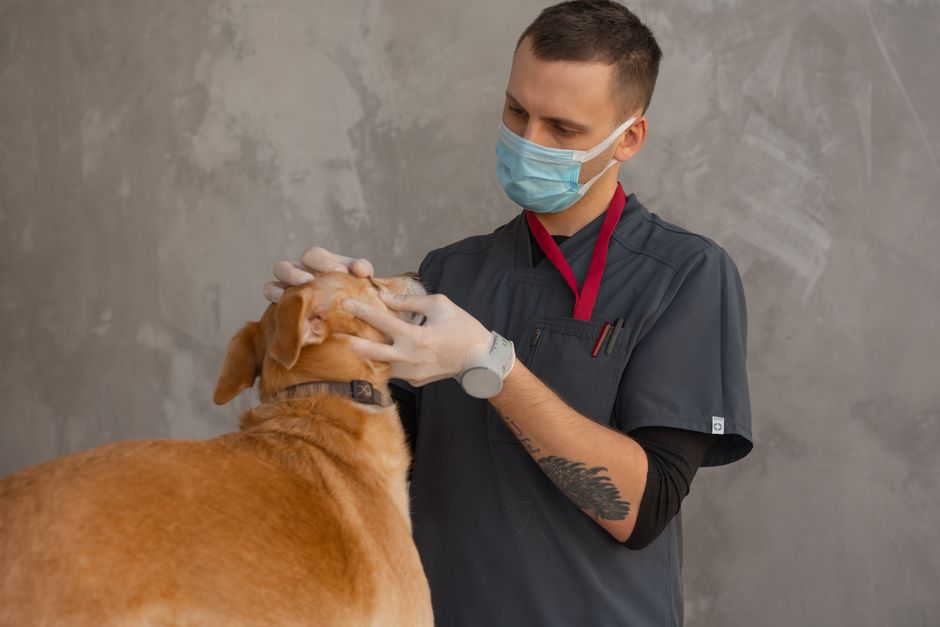
If you notice any of these symptoms in your pet, especially a persistent cough or unexplained fatigue in dogs or respiratory difficulty in cats, it is important to seek a wellness examination as soon as possible. Early detection makes a crucial difference in outcomes.
Why Is Heartworm So Common in Coconut Creek and South Florida?
Coconut Creek’s climate creates ideal conditions for heartworm transmission. Warm weather and high humidity mean that mosquitoes thrive nearly year-round. Since heartworms are spread by mosquito bites, pets in this region are at a higher risk than in cooler, drier climates.
Mosquitoes pick up microscopic baby heartworms (microfilariae) from infected animals and transmit them to new hosts with each bite. Even primarily indoor pets are at risk because mosquitoes can easily find their way inside homes. The high prevalence of mosquitoes in South Florida means that heartworm prevention is not just recommended, it is essential for your pet’s health.
How Heartworm Disease Develops
Heartworm disease begins when an infected mosquito bites your pet and deposits immature heartworm larvae under the skin. Over several months, these larvae migrate through the tissues and eventually settle in the heart, lungs, and associated blood vessels. In dogs, the worms can grow up to a foot long and produce hundreds of offspring, causing significant damage to the cardiovascular system.
In cats, heartworm larvae may not always reach maturity, but even immature worms can trigger severe inflammatory responses. This process can lead to respiratory problems and, in rare cases, sudden death. Since cats are more resistant to heartworm infection, they usually harbor fewer worms, but the impact on their health can be just as serious.
Diagnosing Heartworm Disease at Garbizo Animal Clinic
Diagnosing heartworm disease requires professional veterinary testing. Our team at Garbizo Animal Clinic uses blood tests to detect the presence of heartworm proteins (antigens) and microfilariae. In some cases, additional tests such as radiographs or ultrasounds may be recommended to assess the extent of the disease and determine the best treatment plan.
For dogs, annual heartworm testing is recommended, even if your pet is on regular prevention. This allows us to catch any breakthrough infections early. For cats, diagnosis can be more challenging, and a combination of blood tests and imaging may be needed to confirm or rule out heartworm disease. If you are interested in learning more about how we diagnose and manage heartworm disease, visit our heartworm treatment and testing services page.
Treatment Options for Heartworm Disease
When it comes to heartworm disease, treatment varies between dogs and cats and must always be supervised by a veterinarian.
Treating Heartworm in Dogs
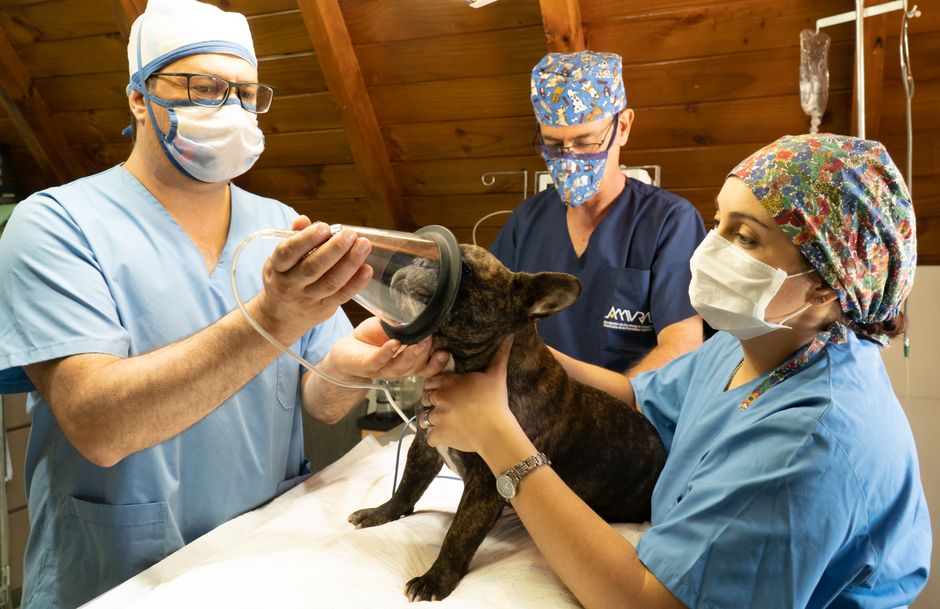
For dogs diagnosed with heartworm, the main treatment involves a series of injections to kill the adult worms, along with medications to manage inflammation and prevent complications. Hospitalization may be necessary, and activity restriction is crucial to reduce the risk of heart and lung damage. In some cases, advanced cases may require supportive care or surgical intervention to remove large numbers of worms.
Managing Heartworm in Cats
Unfortunately, there is no approved medication to eliminate adult heartworms in cats. Treatment focuses on supportive care—reducing inflammation, managing respiratory distress, and monitoring for complications. Some cats may recover as the worms die naturally, but the risk of sudden complications remains. Preventing infection is the best strategy for feline patients.
Our veterinary professionals tailor every treatment plan to your pet’s individual needs, taking into account their age, health status, and the severity of the infection. We also offer advanced diagnostics through our pet diagnostic lab to ensure the best possible care.
Heartworm Prevention: The Key to Keeping Your Pet Safe
Preventing heartworm disease is far easier, safer, and less costly than treating an established infection. Prevention options for dogs and cats include monthly chewable tablets, topical medications, or injections prescribed by your veterinarian. These medications work by killing the immature larvae before they can mature and cause illness.
Consistent use of heartworm prevention is essential, especially in a climate like Coconut Creek’s where mosquitoes are active for much of the year. Missing even a single dose can leave your pet vulnerable. Additionally, annual heartworm testing for dogs, and regular wellness checks for both cats and dogs, will help ensure your companion stays protected.
If you have questions about which prevention method is best for your pet, or if you are due for a refill or annual testing, our team is here to help you make the right choice.
When to Seek Veterinary Care for Heartworm Symptoms
If you notice any symptoms that could indicate heartworm disease—such as persistent coughing, difficulty breathing, lethargy, exercise intolerance, vomiting, or sudden collapse—it is important to contact your veterinarian immediately. Early intervention can greatly improve your pet’s prognosis.
Routine wellness visits provide an opportunity to discuss prevention, receive testing, and catch early signs of illness before they become emergencies. If you are unsure whether your pet is protected or if you have concerns about heartworm symptoms in Coconut Creek, do not wait to reach out for professional guidance.
Supporting Your Pet’s Health Year-Round
The best way to protect your pet from heartworm disease is a proactive approach that includes consistent prevention, regular checkups, and staying informed about the risks in your area. At Garbizo Animal Clinic, our veterinarians are committed to helping you keep your dogs and cats healthy and happy, no matter the season.
Our clinic serves Coconut Creek and surrounding communities, offering personalized care and education to ensure your companion’s wellbeing. Remember, heartworm disease is preventable, and early action can make all the difference.
Take Action: Schedule Your Pet’s Heartworm Exam Today
Heartworm disease is a real concern for pet owners in Coconut Creek, but you have the power to protect your furry friends. If you are searching for a "vet near me" who understands local risks and prioritizes your pet’s health, Garbizo Animal Clinic is here for you. Whether you need a wellness examination, heartworm treatment and testing, or trusted advice on prevention, our veterinary team is dedicated to your companion’s care.
Call us at (954) 974-1136 to schedule an appointment, or visit our location for compassionate, expert support. Your pet depends on you—let us help you spot heartworm symptoms early and keep your loved ones protected year-round.
This article is intended for informational purposes only and should not be used as a substitute for professional veterinary advice. Always consult your veterinarian for concerns about your pet’s health or before starting any new treatment or prevention plan.