When Does Your Cat Need an Ultrasound?

When Does Your Cat Need an Ultrasound? Understanding Cat Ultrasound Exams at Garbizo Animal Clinic
If you have ever found yourself worrying about your cat's sudden change in behavior or unexplained symptoms, you are not alone. Many pet owners in Coconut Creek and surrounding communities face moments when their feline companion seems off, and the root cause is hard to pinpoint. One of the most advanced tools we use at Garbizo Animal Clinic to solve these medical mysteries is the cat ultrasound. This non-invasive imaging technique plays a key role in diagnosing a range of conditions, from urinary issues to heart and abdominal disorders. In this guide, we will walk you through when your cat might need an ultrasound, the most common signs and conditions it helps us diagnose, and how our veterinary team leverages state-of-the-art imaging to support your cat’s health right here at 4400 West Sample Road Suites 148, Coconut Creek, FL 33073. By the end, you will know what to watch for, what to expect from a cat ultrasound, and how we are here to help your cat live a healthier, happier life.
Recognizing the Signs: When Might Your Cat Need an Ultrasound?
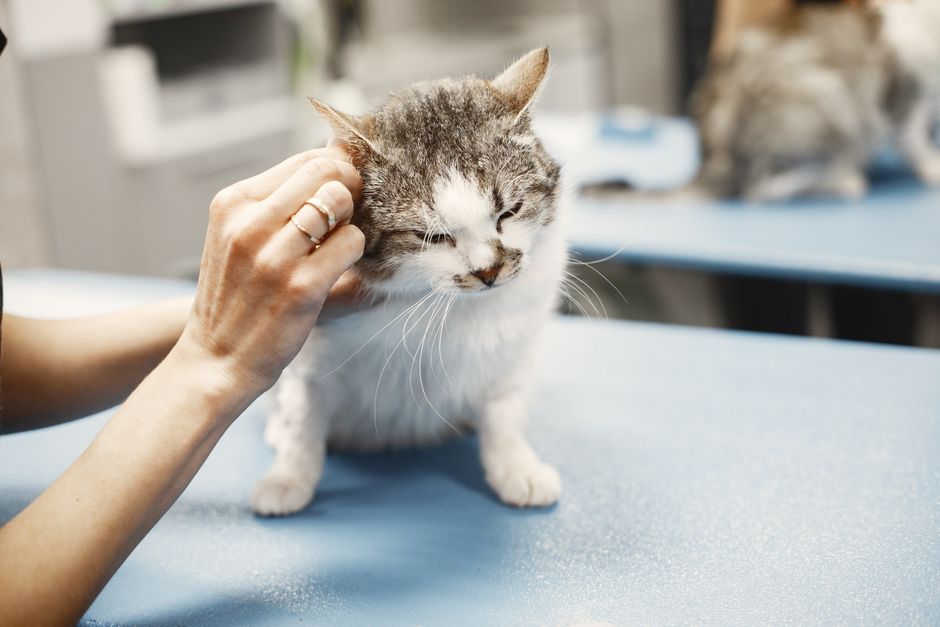
Cats are notoriously good at hiding discomfort, which makes it especially important for pet owners to be attentive to subtle changes. Key signs that may indicate your cat needs an ultrasound include persistent vomiting or diarrhea, sudden weight loss, changes in appetite, increased thirst or urination, and visible abdominal swelling. Additionally, if your cat is straining to urinate, experiencing repeated urinary tract infections, or showing signs of pain when being picked up, these could be red flags pointing to underlying problems in the abdomen or urinary system.
Respiratory changes, such as labored breathing or coughing, may also suggest heart or lung issues that an ultrasound can help diagnose. Sometimes, a cat will simply become more withdrawn, less playful, or hide more than usual, which can be an early warning sign of internal discomfort. If your cat’s regular wellness examination reveals abnormal lab results or your veterinarian detects something unusual during a physical exam, we may recommend an ultrasound to get a clearer picture of what is happening inside your cat’s body. For more information about our comprehensive exams, you can visit our general pet examinations page.
Why Would a Cat Need an Ultrasound? Common Conditions Diagnosed
A cat ultrasound is especially valuable because it provides detailed images of your cat’s internal organs without surgery or radiation exposure. The most common reasons we perform ultrasounds include evaluating the kidneys, bladder, liver, spleen, pancreas, and gastrointestinal tract. In older cats or those with chronic illnesses, we may use ultrasound to monitor for tumors, cysts, or organ enlargement.
Urinary tract issues are a frequent reason for cat ultrasounds in Coconut Creek. If your cat is having difficulty urinating or shows signs of blood in the urine, an ultrasound allows us to check for bladder stones, tumors, or structural abnormalities. Abdominal pain or swelling may prompt us to look for fluid accumulation, masses, or inflammation of organs like the liver and pancreas.
Heart disease is another condition where a cat ultrasound—specifically an echocardiogram—provides invaluable information. Cats can develop heart muscle thickening, congenital defects, or fluid around the heart, all of which can be evaluated using ultrasound imaging. If your cat is diagnosed with an endocrine disorder such as diabetes or hyperthyroidism, ultrasound may help us assess the impact on organs like the pancreas or adrenal glands. For further details on our imaging capabilities, explore our veterinary ultrasound services.
What Happens During a Cat Ultrasound at Garbizo Animal Clinic?
When your cat comes in for an ultrasound at Garbizo Animal Clinic, our veterinary team will make every effort to ensure the experience is as comfortable and stress-free as possible. Most cats do not require sedation, although for particularly anxious or active cats, a mild sedative may be used to help them relax. The area to be imaged is gently shaved to allow for optimal contact with the ultrasound probe, and a special gel is applied to facilitate sound wave transmission.
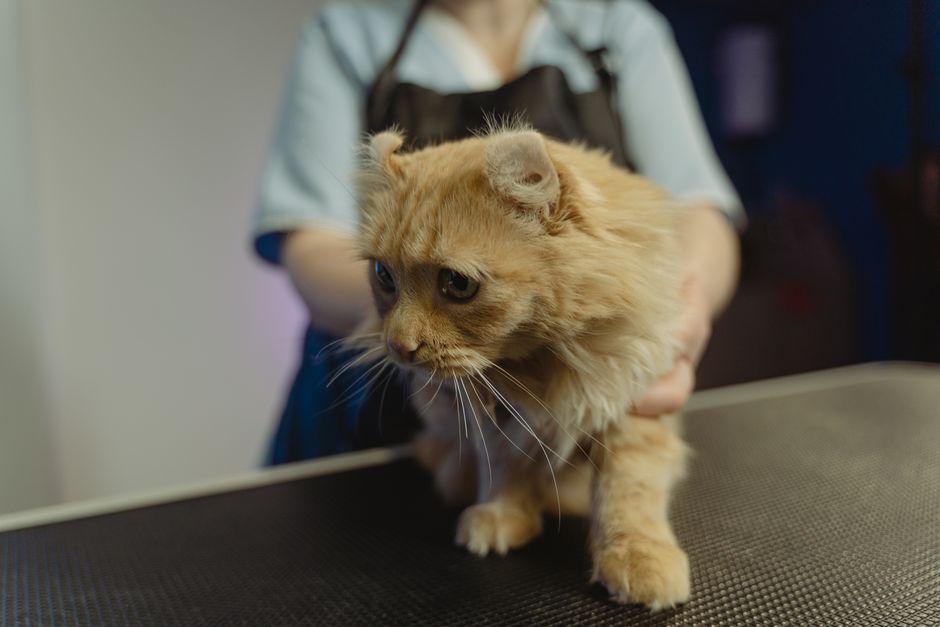
During the procedure, your cat will be gently positioned on a soft padded table while our veterinarians move the probe across the skin to capture real-time images. The procedure usually takes about 20-30 minutes, depending on the complexity of your cat’s condition. Throughout the exam, we monitor your cat’s comfort and provide gentle reassurance.
After the images are collected, our veterinarians review the findings in detail. In many cases, we can provide initial results the same day, and we always take the time to explain what we see and what it means for your cat’s health. If additional diagnostics are needed—such as bloodwork or digital radiology—we will discuss next steps with you, ensuring you are fully informed and involved in your cat’s care. To learn more about how we use imaging in our diagnostics, visit our digital radiology imaging services page.
How Cat Ultrasound Helps Guide Treatment Decisions
A cat ultrasound is not just a diagnostic tool; it is an essential part of developing the most effective treatment plan for your cat. By providing precise images of internal organs, ultrasound allows us to differentiate between conditions that may appear similar on the surface but require different treatment approaches.
For example, if your cat is experiencing urinary issues, ultrasound can help us determine whether there are bladder stones that may need to be surgically removed, or if inflammation or infection is the primary concern and can be managed with medication and supportive care. In cases of suspected abdominal tumors, ultrasound guides us in deciding whether surgical intervention, biopsy, or medical management is the best course of action.
When heart disease is suspected, a cardiac ultrasound helps us evaluate heart function, detect fluid buildup, and tailor medications to your cat’s specific needs. This level of detail is crucial in ensuring that each treatment plan is as individualized and effective as possible. Our commitment to tailored care means we use every available resource—including advanced imaging—to help your cat achieve the best possible outcome.
What Can Pet Owners Do at Home? Supporting Your Cat’s Health
While advanced diagnostics like cat ultrasound are performed in the clinic, there are important steps you can take at home to support your cat’s health and potentially reduce the need for emergency intervention. Regularly monitoring your cat’s eating, drinking, litter box habits, and activity levels can help you detect subtle changes early. Keeping up with routine veterinary visits, including annual wellness exams and bloodwork, provides a baseline for your cat’s health and allows us to catch problems before they become serious.
If your cat is diagnosed with a chronic condition, following your veterinarian’s recommended management plan—including medication schedules, dietary changes, and follow-up appointments—will help keep your cat comfortable and stable. Promptly reporting any changes in your cat’s behavior or symptoms ensures that emerging issues are addressed quickly. At Garbizo Animal Clinic, we encourage open communication and are always here to answer your questions about your cat’s health and care needs.
When Should You Schedule a Cat Ultrasound? Knowing When to Call the Veterinarian
If you notice any of the warning signs discussed earlier—such as vomiting, changes in urination, unexplained weight loss, or labored breathing—it is important to contact your veterinarian promptly. Some symptoms, like difficulty urinating or severe abdominal pain, require immediate attention and may be life-threatening if left untreated. Never hesitate to seek veterinary care if you are concerned; it is always better to be cautious when it comes to your cat’s wellbeing.
Your veterinarian may recommend a cat ultrasound if a physical exam or lab work reveals abnormalities, or if your cat’s symptoms persist despite initial treatment. Early diagnosis through advanced imaging can make a significant difference in your cat’s prognosis, allowing for more targeted and effective treatment. If you are searching for a "vet near me" in Coconut Creek who offers comprehensive diagnostic services, the veterinary team at Garbizo Animal Clinic is here to support you every step of the way.
Why Choose Garbizo Animal Clinic for Cat Ultrasound in Coconut Creek?
Our commitment to your cat’s health extends beyond routine care. At Garbizo Animal Clinic, our experienced veterinarians use the latest ultrasound technology to deliver accurate, timely diagnoses and personalized treatment plans. Conveniently located at 4400 West Sample Road Suites 148, Coconut Creek, FL 33073, we proudly serve Coconut Creek and the surrounding communities with a full range of veterinary services, including wellness exams, advanced imaging, surgery, and ongoing management for chronic conditions.
Whether your cat needs a routine checkup or advanced diagnostics like a cat ultrasound, you can rely on our veterinary team to provide compassionate, expert care in a welcoming environment. We understand how much your cat means to your family, and we are dedicated to supporting you with clear communication and individualized attention.
To learn more about how a cat ultrasound can benefit your feline companion or to schedule an appointment, contact Garbizo Animal Clinic at (954) 974-1136 or book a visit through our website. For more details about our ultrasound and imaging services, please visit our vet ultrasounds and imaging page. Our friendly staff is happy to answer your questions and help you determine whether an ultrasound is the right next step for your cat’s care.
Your cat’s health and comfort are our top priorities. If you are looking for a veterinarian near me who truly cares, Garbizo Animal Clinic in Coconut Creek is here for you and your feline family members—today and every day.